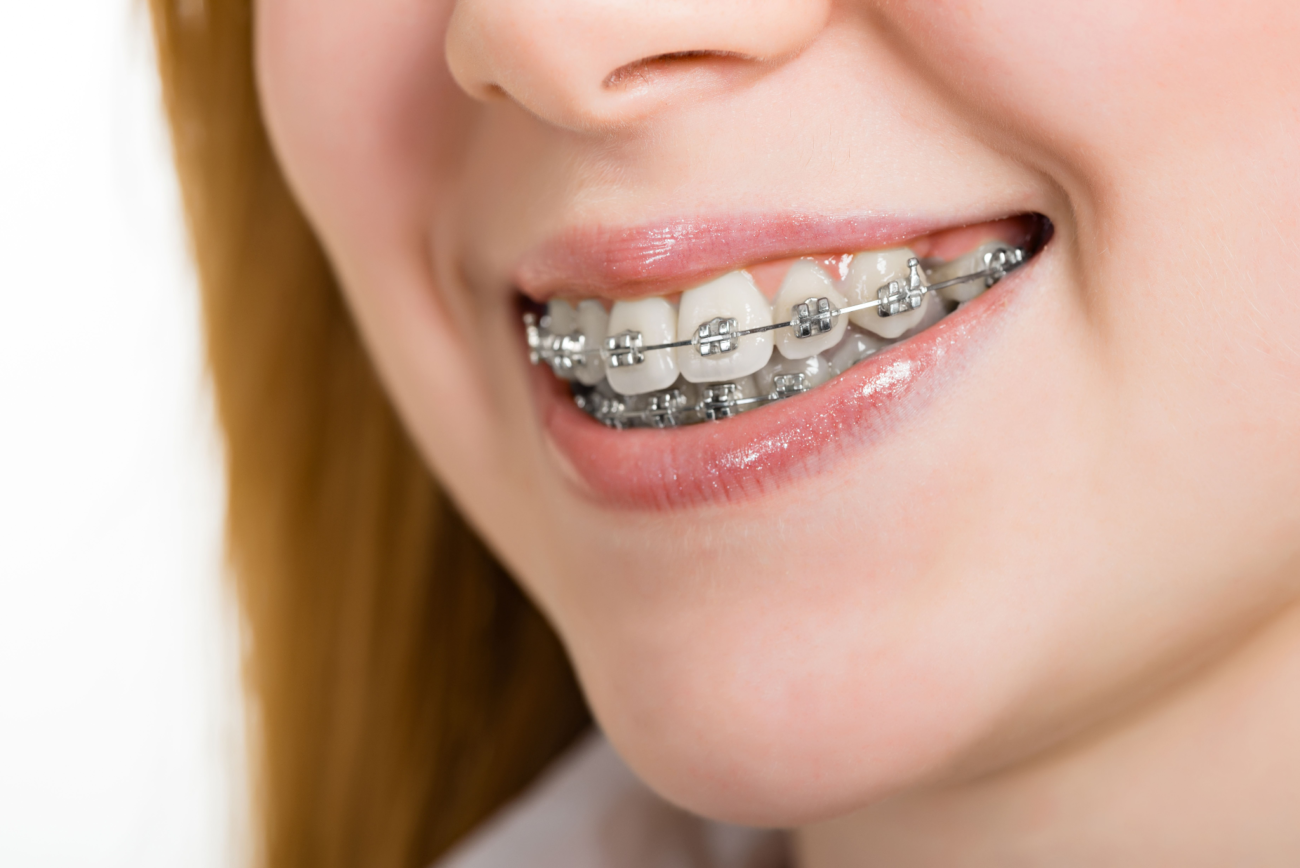
Achieving a well-aligned smile often requires a treatment approach that balances effectiveness, comfort, and convenience. Modern orthodontics offers several solutions designed to address crowding, spacing, and bite concerns while supporting long-term oral health. Among these options, self-ligating braces have become increasingly popular for patients seeking efficient tooth movement and streamlined orthodontic care.
Many individuals exploring orthodontic solutions consult a dental self ligating braces specialist to better understand whether this system suits their dental needs and lifestyle. Unlike traditional braces that rely on elastic ties, self-ligating brackets use built-in mechanisms to secure the archwire, creating a different treatment experience for many patients.
What Makes Self-Ligating Braces Different?
Traditional braces use elastic ligatures to hold the archwire in place. Self-ligating systems utilize specialized clips within each bracket, allowing the wire to move more freely throughout the alignment process. This design can reduce friction while maintaining effective tooth movement.
Patients often appreciate the simpler bracket structure because it may contribute to easier maintenance. The absence of elastic ties can also help minimize staining concerns, making these systems appealing for individuals seeking a cleaner orthodontic appearance throughout treatment.
Built-In Bracket Mechanism
Each bracket contains an integrated door or clip that secures the archwire. This eliminates the need for elastic ligatures commonly used with conventional braces.
Reduced Friction
The bracket design allows smoother interaction between the wire and appliance. As a result, tooth movement may progress efficiently under controlled orthodontic guidance.
Simplified Maintenance
Without elastic bands surrounding every bracket, cleaning around orthodontic hardware may feel more manageable for some patients during daily oral hygiene routines.
Modern Orthodontic Design
Self-ligating systems incorporate advanced bracket technology developed to support comfort, functionality, and treatment efficiency throughout the correction process.
Common Dental Concerns Addressed by Self-Ligating Braces
Orthodontists may recommend self-ligating appliances for a variety of alignment issues. Crowded teeth, spacing irregularities, overbites, underbites, and crossbites are among the concerns commonly addressed through comprehensive treatment planning.
Every case requires a personalized assessment before determining suitability. The complexity of tooth movement, jaw relationship, and long-term objectives all influence appliance selection and treatment recommendations.
Benefits That Appeal to Many Patients
Individuals considering orthodontic care often prioritize comfort and convenience alongside treatment effectiveness. Self-ligating systems are frequently chosen because they offer practical advantages during the alignment journey.
Many patients also appreciate the modern engineering behind these appliances. Combined with professional monitoring, the system supports predictable movement while maintaining a streamlined bracket design.
- Fewer components attached to each bracket
- Reduced likelihood of elastic staining
- Efficient wire engagement throughout treatment
- Modern appearance compared with older systems
The Importance of Comprehensive Consultation
A successful orthodontic outcome begins with a detailed evaluation. Specialists typically examine tooth positioning, bite function, jaw alignment, and overall oral health before recommending any treatment approach.
Digital records, photographs, and diagnostic imaging often contribute to treatment planning. These tools help create a clearer understanding of movement requirements and expected progression throughout the correction process.
Bite Analysis
Proper bite evaluation helps identify underlying functional concerns. Accurate diagnosis allows orthodontists to develop more precise treatment strategies.
Digital Assessment
Modern diagnostic technology provides detailed insights into alignment challenges. Digital records support individualized planning and progress monitoring.
Treatment Planning
Each patient presents unique dental characteristics. Customized planning ensures appliance selection aligns with correction goals and oral health requirements.
Why Appointment Efficiency Matters
Orthodontic care typically involves regular review visits throughout treatment. Self-ligating systems may simplify certain adjustment procedures because elastic ligatures do not require replacement during appointments.
This can contribute to a more streamlined experience for some patients. Consistent monitoring remains essential, however, as orthodontists must evaluate movement progress and make necessary wire modifications over time.
- Routine evaluations support treatment accuracy.
- Scheduled adjustments maintain controlled tooth movement.
- Progress reviews help identify emerging concerns early.
- Professional monitoring promotes long-term stability.
Oral Hygiene During Orthodontic Care
Maintaining oral health remains essential throughout any orthodontic journey. Brackets and wires create additional surfaces where food particles and plaque may accumulate if cleaning routines become inconsistent.
Patients are often encouraged to brush carefully around orthodontic hardware and follow professional hygiene recommendations. Regular dental visits can further support healthy gums and enamel during treatment.
Brushing Techniques
Orthodontic appliances require extra attention during brushing. Thorough cleaning around brackets helps reduce plaque accumulation and maintain healthier teeth.
Flossing Support
Specialized flossing tools may assist patients in cleaning between teeth and around orthodontic components more effectively.
Professional Cleanings
Routine dental cleanings complement daily hygiene efforts. These appointments help maintain oral health while orthodontic correction progresses.
Factors That Influence Treatment Duration
Several variables affect the overall timeline of orthodontic correction. Mild spacing concerns may require less time than complex bite discrepancies involving significant tooth movement.
Patient cooperation also contributes to treatment success. Attending scheduled appointments, maintaining oral hygiene, and following professional instructions can help support efficient progress throughout the process.
Long-Term Value of Orthodontic Correction
Orthodontic treatment extends beyond cosmetic improvement. Proper alignment can support easier cleaning, improved bite function, and enhanced long-term oral health management.
Correcting structural concerns may also reduce excessive wear on certain teeth. When paired with retention strategies following treatment completion, orthodontic care can provide lasting benefits for many years.
Final Thoughts
Looking for a modern approach to smile correction that balances efficiency and comfort? BRACESAURUS offers specialized orthodontic care focused on individualized treatment planning, advanced bracket systems, and comprehensive patient support. Individuals considering self ligating braces treatment in Singapore often value experienced guidance, detailed assessments, and tailored solutions designed to achieve stable and healthy alignment outcomes.
