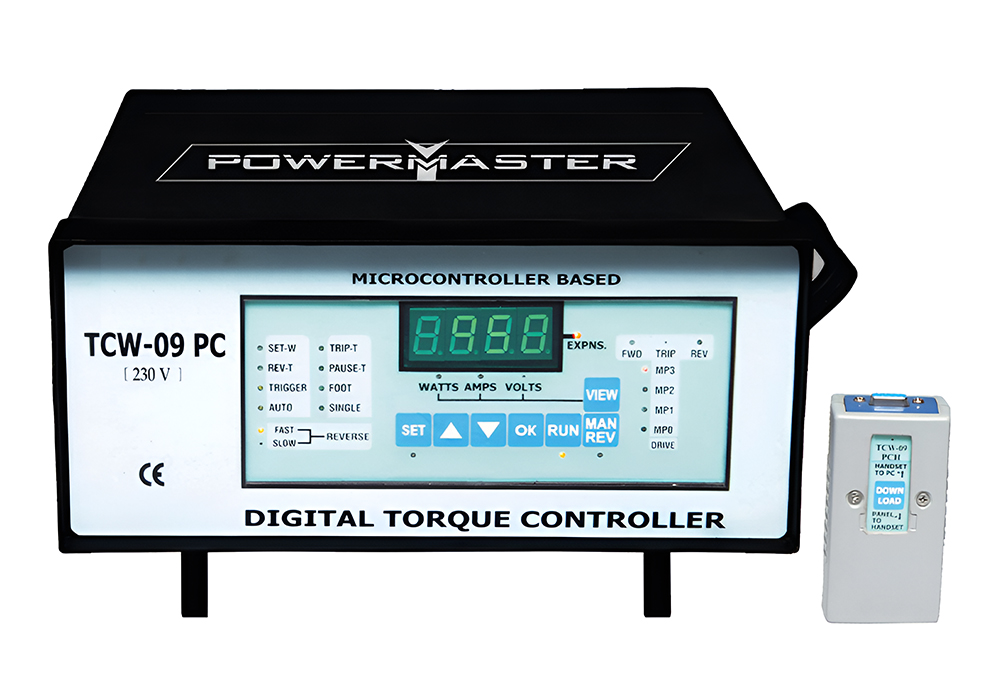
Modern renewable energy plants depend on advanced engineering systems, and the electric tube expansion system is widely used to meet their core operational requirements. Engineers use the system to make secure connections between tubes and tube sheets in heat exchangers.
The joints enhance heat-transfer performance while decreasing energy consumption and boosting system dependability. The system regulates thermal performance, which solar, wind, geothermal, and biomass plants need to operate at their best throughout different operational scenarios.
Applications of Electric Tube Expansion in the Renewable Energy Industry
The use of electric tube expansion in renewable energy applications helps to improve heat exchanger systems while boosting operational efficiency and delivering dependable system performance.
- Solar Thermal Power Plants
Electrical expansion plants are commonly employed in the solar power sector to improve heat exchanger performance.
- Heat transfer: The electric tube expansion system creates strong tube connections, which enhance heat transfer performance.
- Leak prevention: The system stops high-temperature fluids from escaping solar collector systems.
- Thermal stability: It keeps its bond strength through continuous temperature changes.
The solar plants use the electric tube expansion system to protect the operational efficiency and long life of their heat exchangers, which they use for power generation.
- Geothermal Energy Systems
The electric tube expansion system plays a key role in handling harsh geothermal conditions.
- Corrosion resistance: The system enables secure expansion of stainless steel and titanium tubes from which geothermal fluid is extracted.
- Pressure handling: It protects joints from the extreme pressure which underground steam and water exert.
- Long life: The system extends the operational life of heat exchanger components.
The system allows geothermal plants to operate securely in environments that contain chemical hazards and extreme heat.
- Wind Energy Cooling Systems
The electric tube expansion system supports thermal management in wind turbines.
- Thermal control: The system provides cooling support for both gearbox and generator cooling systems.
- Compact design: The system enables the construction of efficient heat exchangers that function within the restricted space of turbines.
- Reliability: The system delivers dependable performance through its ability to prevent overheating and system breakdowns.
The electric tube expansion system enables wind energy systems to maintain their cooling requirements while operating continuously.
- Biomass & Waste-to-Energy Plants
The electric tube expansion system ensures strong performance in harsh gas environments.
- Flue gas handling: The system boosts heat exchanger efficiency through its ability to process dirty gas streams.
- Durability: It creates stronger joints that resist damage from ash and corrosive particles.
- Continuous Operation: It enables continuous energy production without interruptions.
The system maintains the reliable operation of renewable energy systems, which generate power from waste materials.
Key Advantages in the Renewable Industry
- Precision: The system uses controlled expansion to guarantee that tubes fit correctly.
- Efficiency: Better heat transfer performance leads to higher energy output.
- Safety: The system establishes robust connections, which decrease the risk of leaks and equipment failures.
- Automation: The system uses digital control to enhance process repetition while decreasing the possibility of human mistakes.
Conclusion
The performance of renewable energy systems relies on using high-quality heat exchangers. The electric tube expansion system creates durable mechanical connections that enhance thermal performance and provide long-lasting system operation. The operators achieve superior control over expansion force through torque multipliers, which also enhance safety and deliver stable results in large-scale energy facilities.
