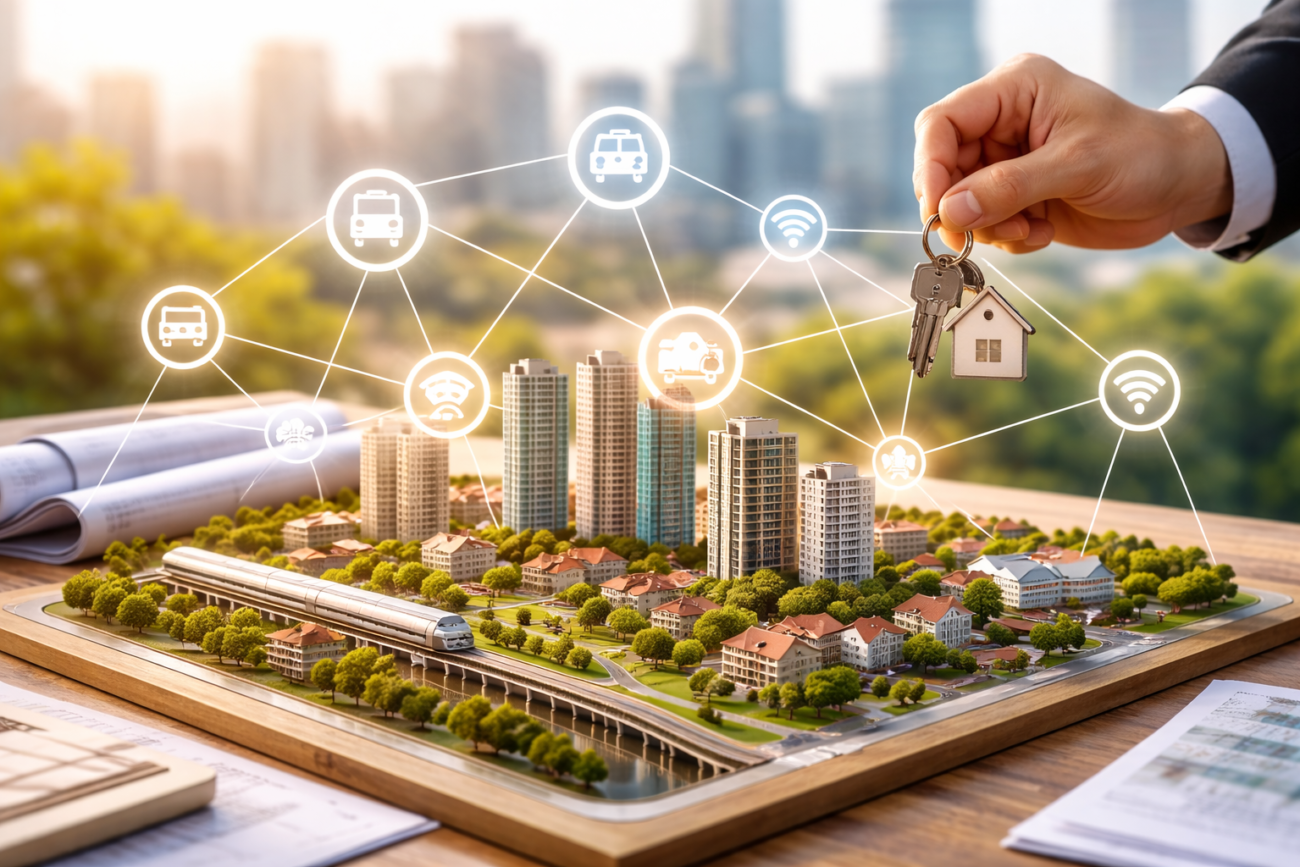
Modern living environments are shifting toward a model where digital connectivity is treated with the same necessity as water, heat, and electricity. For those managing residential communities, the conversation around technology has moved beyond simply offering options to considering how to integrate essential services directly into the resident experience. Understanding this progression allows for better decision-making when evaluating the best internet solution for property managers seeking to increase the long-term value of their assets.
The Foundation of Digital Infrastructure in Modern Rentals
The journey toward a fully connected property typically begins with a rigorous assessment of existing internal cabling and site capabilities. Property managers often discover that as resident demand for high-bandwidth activities grows—such as remote work, streaming, and cloud-based gaming—older infrastructure begins to show signs of strain. Addressing this early is essential to maintaining high occupancy rates.
When evaluating potential upgrades, the focus often centers on the physical medium through which data travels. Many properties are exploring the transition toward fiber-optic architectures, as these systems generally offer more symmetrical upload and download speeds compared to legacy copper or coaxial setups. The primary objective is to ensure that the infrastructure is scalable, allowing the property to support future advancements without needing to undertake significant and disruptive renovations down the line. Property managers who prioritize this foundational work early often find that they are better positioned to meet the expectations of prospective residents who consider reliable connectivity a non-negotiable factor in their housing search.
Changing Perspectives on Bundled Utility Models
As technology becomes more deeply integrated into the residential experience, the model of service delivery is also evolving. A significant trend involves shifting from a system where residents must independently secure their own contracts to a model where fiber internet included in rent or similar managed connectivity packages are provided as a standard amenity. This approach can simplify the moving process for residents and provide a more consistent standard of service across an entire building.
From a management standpoint, this shift requires a move toward centralizing service contracts. Rather than juggling dozens of disparate provider relationships, property managers may find it more efficient to work with a dedicated partner who can manage the entire network ecosystem on-site. This allows for unified billing and streamlined maintenance protocols, which can reduce the administrative burden on property staff. Furthermore, by standardizing the connection, property managers can ensure that every unit has access to the same quality of service, which helps mitigate common complaints related to inconsistent internet performance.
Identifying Signs That Your Current System Requires Attention
Determining when it is time to upgrade or rethink a connectivity strategy is not always straightforward. Often, the signs manifest as subtle changes in resident feedback or shifts in market competitiveness. If residents frequently report issues with service reliability, or if the property struggles to attract individuals who require consistent connectivity for their professional or personal lives, it may be a strong signal that the existing system is no longer sufficient.
Another indicator is the increasing volume of support requests related to hardware or signal strength. When property management staff spend a disproportionate amount of time resolving connectivity disputes or facilitating third-party technician visits, it suggests that the current model may be inefficient. Proactive managers often look for these operational bottlenecks and view them as opportunities to improve the overall quality of their utility offerings. Furthermore, evaluating whether the property can support modern smart-home integrations—which often rely heavily on stable, low-latency network performance—can help managers determine if their current setup is keeping pace with industry expectations.
Sustaining Competitive Advantage Through Long-Term Digital Strategy
Maintaining a desirable living space requires a continuous commitment to adapting to technological trends. The most successful properties are those that view their digital offerings as an ongoing project rather than a one-time installation. This involves regularly reviewing the performance metrics of the current system and maintaining open lines of communication with service providers to understand upcoming advancements in network technology.
Sustainability in this space also means considering the long-term flexibility of the contract. As the market for residential connectivity continues to mature, property managers should focus on agreements that allow for periodic technology refreshes or bandwidth scaling. By building these considerations into the lifecycle of the property, managers can ensure that their community remains a preferred choice for residents who value high-quality digital experiences. Ultimately, the goal is to create a digital environment that is as invisible and reliable as the other utilities residents depend on, ensuring that the property remains both operationally efficient and highly attractive in a competitive market.
As digital dependency continues to grow, the ability of a property to support seamless, high-speed connectivity will likely remain a defining feature of modern asset management. By carefully planning infrastructure, thoughtfully considering service delivery models, and remaining vigilant about the changing needs of the resident population, property managers can successfully navigate this transition and provide the high-quality digital experience that is increasingly expected in today’s rental landscape.
