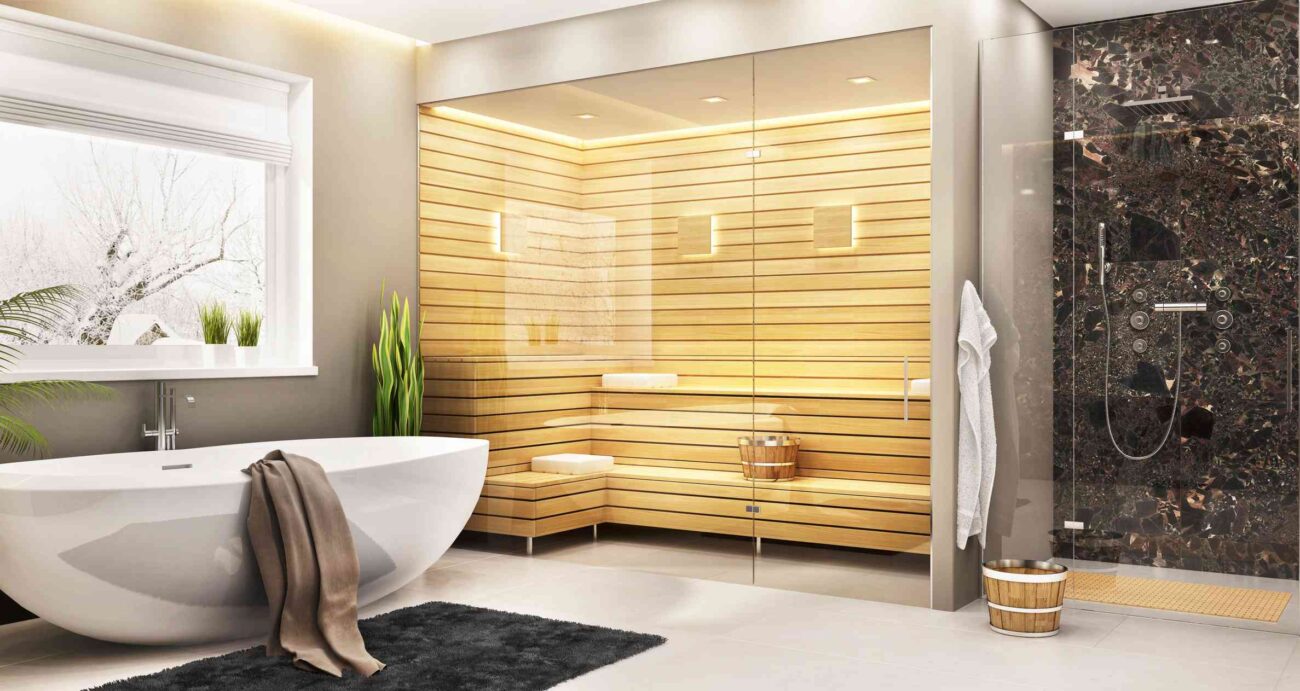
Choosing the right heat experience can shape how often you enjoy your home wellness space. A sauna offers dry warmth, while a steam room creates soothing humidity. Comparing comfort, space, materials, maintenance, and installation requirements will help you choose an option that suits your home and lifestyle.
Creating a Home Wellness Space That Feels Right
A home wellness area should provide a comfortable place to relax, recover, and step away from everyday pressure. However, choosing between a sauna and a steam room involves more than selecting a design. Steam room installation requires careful planning, along with suitable materials, ventilation, controls, and moisture management to ensure reliable performance.
Your preferred temperature, available space, household routine, and long-term budget should all influence the decision. Careful planning will help you create a wellness space that is inviting, practical, and built for regular use while reducing the risk of costly changes after construction has started.
Dry Heat or Humid Warmth: Know the Difference
A sauna produces dry, concentrated heat through a specialist heater. The air reaches a higher temperature, but the lower humidity allows perspiration to evaporate more quickly. Many people prefer this traditional environment because it feels warm, clean, and straightforward. Timber walls and benches also create a natural and calming atmosphere. A steam room works at a lower temperature but maintains very high humidity. The moist air creates a softer, mist-filled experience that feels similar to a professional spa.
The best option depends on which environment feels comfortable to you. A room that matches your personal preference is more likely to become part of your regular wellness routine.
Let the Available Space Guide Your Decision
The size and shape of the room can influence which solution is more practical. A sauna can often be adapted to compact or unusually shaped areas through bespoke timber panels and seating. The heater position, door movement, controls, and ventilation points must still be planned carefully. Every element should support safe use and comfortable movement. A steam room requires additional consideration because the enclosure must contain heat and moisture. Walls, ceilings, floors, doors, benches, and service openings need suitable protection. Ceiling design is also important. A properly shaped ceiling helps condensation move towards the walls rather than dripping directly onto users.
Look Beyond the Visible Floor Area
Accurate measurements are essential, but floor space is only one part of the assessment. Ceiling height, access routes, nearby rooms, and service connections can affect the final design. Electrical supplies, plumbing, drainage, and ventilation routes should be reviewed before construction begins. Future access for servicing should also be included in the layout. A professional site survey can identify potential restrictions at an early stage. This allows the design to be adjusted before materials and equipment are ordered.
Good preparation also helps prevent awkward seating, restricted door movement, or controls that are difficult to reach.
Select Materials That Deliver Lasting Performance
The materials used inside a sauna influence comfort, appearance, and durability. Suitable kiln-dried timber is commonly used for walls, ceilings, and benches. Timber creates a warm and natural finish. It must also remain comfortable to touch when the room reaches its operating temperature. A steam room needs non-porous materials that can withstand constant moisture. Tiles, glass, sealed surfaces, and stone-style finishes are often suitable choices. Joints, edges, doors, and service openings must be finished carefully. Poor sealing can allow moisture to enter areas that are difficult to inspect or repair.
Put Technical Planning Before Decorative Features
Lighting, sound systems, aroma functions, and modern controls can enhance the atmosphere. However, these features should not take priority over essential technical requirements. Ventilation, moisture protection, equipment placement, and safe electrical connections must come first. These elements determine how reliably the room performs. During the middle stage of planning, Steam room Installation should be treated as a complete construction project. It involves much more than fitting a steam generator inside an enclosed room.
The generator, controls, drainage, seating, ventilation, lighting, and moisture-resistant surfaces must work together. Careful coordination protects both the wellness space and the surrounding property.
Create Comfort Through Thoughtful Interior Design
Seating should support relaxation while allowing users to move safely. The layout must also reflect how many people are likely to use the room at one time. Sauna benches may be arranged at different heights. Higher levels usually feel warmer, while lower benches provide a gentler heat experience. Steam room seating can be shaped to improve comfort and encourage water to drain away. Smooth, practical surfaces also make routine cleaning easier. The door position should provide convenient access without making the interior feel restricted. Handles and fittings must be suitable for heated or humid conditions.
Use Controls That Simplify Every Session
Modern control systems can make a home wellness space easier to operate. Temperature settings, timers, lighting, and other functions may be managed from a dedicated panel. Controls should be positioned where they are easy to reach and protected from heat or moisture. Clear operation is especially important when several household members use the room. Soft LED lighting can create a calm environment without making the space feel too bright. The fittings must be approved for the conditions in which they will be used.
Aroma and sound features can add character. They should remain simple, reliable, and easy to maintain.
Consider Cleaning Before Making Your Choice
A sauna requires regular cleaning and airing after use. Benches, floors, walls, ventilation points, and the heater area should be kept clear and hygienic. Timber should be inspected for staining, surface damage, or excessive moisture. Early attention can prevent minor issues from becoming more serious. A steam room usually requires more frequent cleaning because moisture remains on surfaces. Glass, seating, walls, floors, seals, and drainage areas need regular care.
The steam generator may also require descaling. The frequency will depend on water quality, equipment type, and how often the room is used.
Protect Your Investment With Planned Maintenance
A home wellness space needs professional attention after installation. Controls, heaters, generators, lighting, ventilation, seals, and other components should be checked periodically. Preventive maintenance can identify wear before it causes disruption. It may also extend the working life of important equipment.
Ask whether the installer provides planned servicing, repairs, inspections, and technical support. Clear after-sales arrangements can make long-term ownership easier. It is also useful to understand the warranty terms. You should know which parts are covered and which maintenance tasks remain your responsibility.
Compare Costs With Long-Term Value in Mind
The total cost will depend on the room size, materials, equipment, controls, ventilation, and design complexity. Optional features can also increase the final price. Ask for a detailed quotation that separates essential construction from decorative upgrades. This makes it easier to decide where your budget will have the greatest impact. Running costs should also be considered. Energy use, cleaning products, servicing, repairs, and future component replacement all contribute to long-term ownership. The lowest quotation may not offer the best value. Durable materials, suitable equipment, and professional installation can reduce future problems.
Match the Final Choice to Your Lifestyle
A sauna may suit you when you prefer strong, dry heat and natural timber surroundings. It can also provide a traditional wellness experience with relatively straightforward surface care. A steam room may be more suitable when you enjoy warm humidity and a smooth, enclosed atmosphere. It offers a distinctive spa-like setting but requires careful moisture management. Think about how often the room will be used and who will use it. Different household members may have different heat and humidity preferences. The right choice should feel comfortable, manageable, and realistic. It should support your routine rather than create unnecessary cleaning or maintenance demands.
A Wellness Space Designed for Everyday Enjoyment
Choosing between a sauna and a steam room requires a balanced assessment of comfort, space, materials, installation, maintenance, and budget. A sauna offers concentrated dry heat within a warm timber interior, while a steam room provides gentler temperatures and high humidity. Both options can include tailored seating, modern controls, soft lighting, sound, and aroma features. However, reliable ventilation, suitable equipment, moisture protection, and safe construction should always come first.
Consider how the room will be used, cleaned, serviced, and operated over time. A detailed survey and professionally prepared quotation can help you avoid unsuitable materials, restricted layouts, and unexpected costs.
With careful design, durable finishes, accessible controls, and planned maintenance, Steam room Installation can create a dependable home wellness space that remains comfortable, attractive, and enjoyable for many years.
