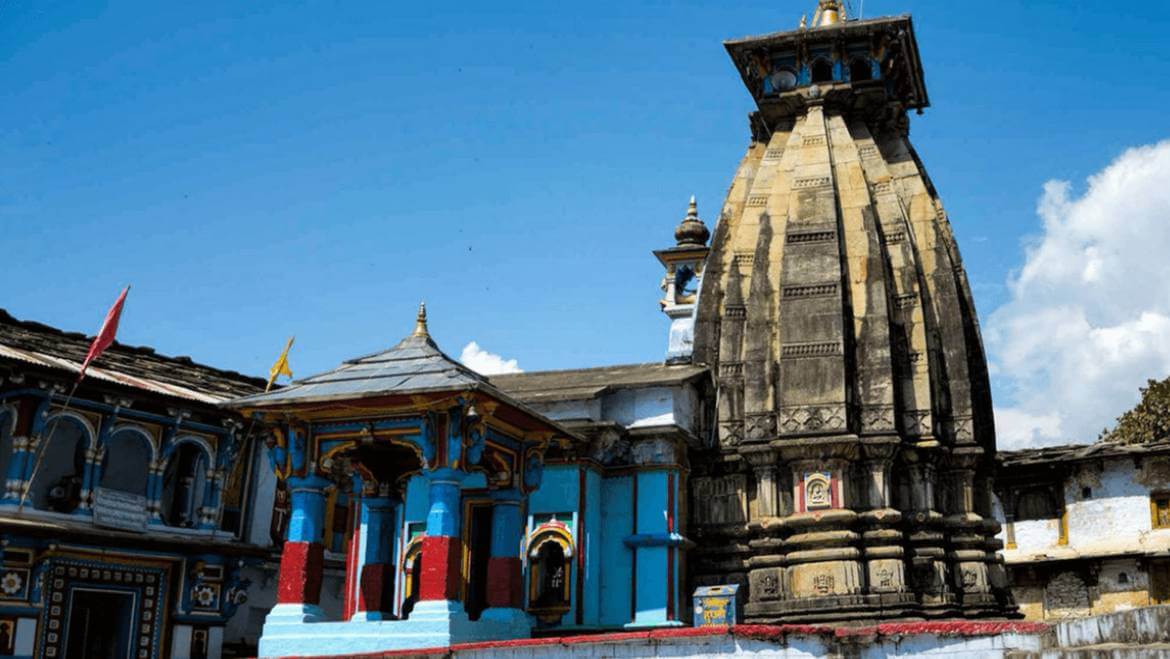
The Char Dham — Yamunotri, Gangotri, Kedarnath and Badrinath — is one of India’s most soul-stirring pilgrimages. Beyond the temples and the trekking, a big part of a memorable yatra is where you sleep: a cozy room with hot water, a warm meal and, ideally, a balcony or window that frames the Himalaya. Below I’ve rounded up top stays near each dham that combine comfort with views, plus practical tips for choosing accommodation, booking, and staying safe and warm at high altitudes.
How to pick a great stay for Char Dham
Before the specific recommendations, here are the quick rules to guide your choice:
- Prioritize altitude comfort: Look for places with heating, hot water and good bedding — cold nights are common.
- View vs. convenience: A riverside or valley-view hotel is lovely, but if you have to reach the temple early, staying in the immediate town (even if the view is muted) can be more practical.
- Seasonal openings: Many hotels and guesthouses in the Char Dham region open only for the pilgrimage season (roughly April/May to October/November). Book early during peak months.
- Check GMVN options: The Garhwal Mandal Vikas Nigam (GMVN) runs several government guesthouses that balance comfort and reliability — especially good if private hotels are full.
- Local feel: Guesthouses run by families often provide the warmest meals and hospitality — ideal if you want simplicity and local insights.
Now, let’s go dham by dham.
Yamunotri — cozy hill homestays with river views
Yamunotri is the most remote of the four, and accommodations reflect the simple, rustic character of the place. Expect small hotels and family-run homestays rather than luxury chains. Look for properties in the heliport/helipad area and the nearby villages that advertise hot water and valley views.
Top choices: small guest houses and cottages around the Yamunotri approach offer peaceful mountain views and hearty home-cooked food — perfect after the steep trek to the temple. Booking portals list a variety of budget to mid-range options in Yamunotri; many pilgrims choose homestays for the authentic experience and close proximity to the shrine. MakeMyTrip+1
Why stay here: after the trek, you’ll appreciate a warm room and a balcony that catches the first light on the peaks. If you want more amenities, plan to stay in Barkot or nearby towns lower down where facilities are better and travel time to Yamunotri is still manageable.
Gangotri — river-front guesthouses and small hotels
Gangotri sits beside the Ganges’ glacial streams and offers a calm, contemplative atmosphere. Accommodation tends to be simple hotels and guesthouses; many properties are clustered near the temple and offer sweeping views of the Bhagirathi valley.
Top choices: well-reviewed guesthouses and small hotels around Gangotri village offer clean rooms and great valley views. If you prefer slightly more polished facilities, check listings that cater to pilgrims and trekkers — they often provide hot meals, packed lunches for trekking, and single/double rooms with attached bathrooms. Tripadvisor
Why stay here: Gangotri’s charm is the sound of rushing water and the open skies. A room with a view of the river and surrounding ridges will be restorative after the day’s rituals. During the main season, book early — options fill up quickly.
Kedarnath — guest huts, GMVN cottages, and valley views
Kedarnath is high, rugged and intensely spiritual. Accommodation options range from basic dharamshalas and GMVN cottages to private hotel-like guest houses in nearby Sonprayag and Gaurikund (the latter for early-season stays). If you plan to be close to the shrine, expect to stay in modest lodgings; Sonprayag and Guptkashi offer more comfortable hotels (and sometimes better heating and hot water) with scenic views.
Top choices include GMVN-run cottages and a selection of private guesthouses near the Kedarnath area that emphasize warmth and practicality (blankets, hot water, simple vegetarian meals). TripAdvisor and other travel sites list GMVN and several reputable guesthouses as reliable mid-range options for pilgrims. For long-term changes in access, note that infrastructure projects (like the large ropeway project connecting Sonprayag and Kedarnath) are in development and will change travel dynamics in the future.
Why stay here: pick comfort (warm bedding + hot water) over luxury — altitude and weather make those features vital. If you don’t mind being a short drive away, Sonprayag/Guptkashi accommodations often provide more spacious rooms and better winterization, plus excellent views of the valley.
Badrinath — hotels with river and mountain panoramas
Badrinath is comparatively accessible and features a wider spread of hotels — from budget inns to more polished properties. Many hotels sit along the valley with views of the Saraswati river and the surrounding peaks, so you can enjoy sunrise vistas from your window. Booking sites and hotel aggregators list popular options like New Hotel Snow Crest, Hotel Vishranti, Hotel River View and other well-reviewed properties that balance convenience (walking distance to the temple) with comfort.
Why stay here: Badrinath’s town has a good selection of hotels with modern conveniences, which makes it an ideal place to recover after long road travel. If a room with a balcony and river-facing window is important, many properties explicitly market those views — filter for “river view” or “mountain view” when booking.
Recommendations by comfort tier
- Budget / Pilgrim-friendly: Dharamshalas, basic guesthouses and GMVN huts. Clean, warm bedding and communal meals; expect shared bathrooms in some places. GMVN properties are a reliable budget pick.
- Mid-range / Comfortable: Small hotels and family-run cottages with private bathrooms, hot water and basic heating. Often the best value for travelers who want comfort without a high price. Booking platforms for Badrinath and Kedarnath list plenty of these.
- Splurge / Scenic: A few boutique properties and higher-end hotels (mostly around Badrinath and the approach towns) provide better bedding, private dining and rooms with panoramic balconies. These are fewer and should be reserved well in advance.
Practical tips for a comfortable stay
- Book seasonally: The high-season is short. Confirm opening dates with hotels — many close in heavy winter snow.
- Ask about hot water & heating: These are non-negotiable at altitude. If a listing doesn’t mention hot water, call or choose another property.
- Read recent reviews: Pilgrim flows change facilities quickly; check 2024–2025 reviews for the most current intel. Travel sites list hotels by user ratings.
- Layer and bring your own essentials: A small travel thermos, warm socks, woolen cap and a compact sleeping liner can make budget stays much more comfortable.
- Altitude safety: Stay hydrated, avoid heavy alcohol and ascend gradually. If you feel unwell, alert hotel staff — many properties are used to handling minor altitude issues and can arrange transport.
- Transport & timing: If you want an early darshan, choose a hotel in the town closest to the temple (even if the view is less dramatic). If you prefer scenery over early access, pick a valley-view hotel a short drive away.
Food and hospitality
Many guesthouses pride themselves on simple, nourishing meals: dal, steamed rice, local lentil preparations and hot chai are staples. If you have special dietary needs, communicate that at booking time — most family-run places are happy to accommodate if they have advance notice. GMVN properties and larger hotels typically offer fixed vegetarian menus tailored to pilgrims.
Final thoughts — balance comfort with the spirit of the yatra
Choosing where to stay during your Char Dham trip often comes down to a trade-off: a spectacular mountain or river view versus being right next to the temple for early morning rituals. For most travelers, I recommend a mixed approach: one or two nights in a valley-view hotel to soak in the Himalayan scenery, and a night near the temple town to ensure an easy, serene darshan.
Above all, prioritize warmth, hot water and a clean bed. The Char Dham is demanding in ways a city break never is — and the right stay will recharge you physically and emotionally, letting the pilgrimage be everything it’s meant to be: peaceful, reflective and unforgettable.
