Longwall mining is one of the most advanced and efficient underground coal extraction methods used worldwide. It allows operators to recover a high percentage of coal from a seam while maintaining controlled, mechanised operations. Unlike traditional mining techniques, longwall systems rely heavily on automation, precision equipment, and coordinated processes. Understanding how these systems work—and the machinery involved—can offer valuable insight into modern mining efficiency, safety, and productivity.
1. Understanding the Longwall Mining Method
Longwall mining involves extracting coal from a large rectangular panel, typically several hundred metres wide. A specialised machine cuts across the coal face in continuous motion, removing layers of coal while the roof behind the operation collapses in a controlled manner.
This method is highly efficient because it maximises resource recovery and reduces waste. It also enables safer operations than older mining techniques, as workers are shielded by hydraulic supports. The process is designed for consistency, making it ideal for large-scale mining operations that require steady output.
2. Stage Loader and Crusher System
After the coal is transported by the AFC, it reaches the stage loader. This component transfers the coal onto a belt conveyor for further movement out of the mine.
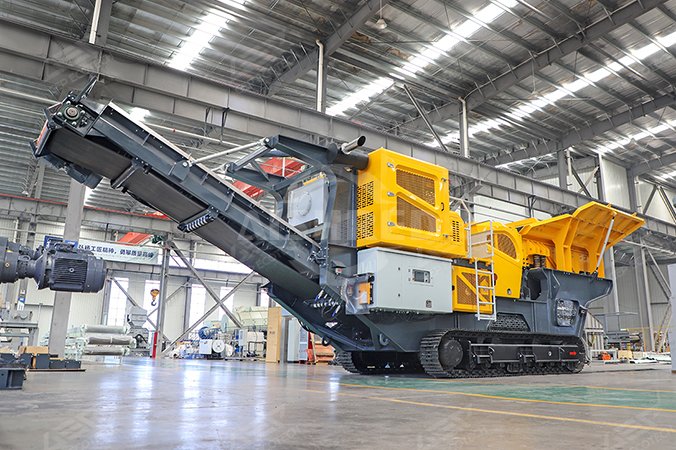
At this stage, large chunks of coal are often reduced in size using crushing equipment. In some operations, a mobile crusher may be used to break down oversized material efficiently before it enters the main conveyor system. This step ensures smoother transport and reduces wear on downstream equipment, improving overall system performance.
3. Armoured Face Conveyor (AFC): Moving the Coal
Once the coal is cut, it needs to be transported efficiently. This is where the Armoured Face Conveyor (AFC) comes into play. Positioned along the coal face, the AFC collects and carries coal away from the shearer.
The conveyor is designed to handle heavy loads and harsh conditions. It works in sync with the shearer, ensuring that coal is moved quickly and consistently. This seamless integration prevents bottlenecks and supports high production rates throughout the mining process.
4. Hydraulic Roof Supports for Safety and Stability
Safety is a major priority in longwall mining, and hydraulic roof supports play a vital role. These large, shield-like structures are positioned along the coal face to support the roof while coal is extracted.
As the shearer advances, the supports move forward in sequence. Once the coal is removed, the roof behind the supports is allowed to collapse safely. This controlled collapse reduces the risk of unexpected cave-ins and ensures that workers and equipment remain protected throughout the operation.
5. The Role of the Shearer in Coal Extraction
At the centre of the longwall system is the shearer, a powerful machine that travels back and forth along the coal face. It uses rotating cutting drums fitted with sharp picks to break coal from the seam.
The shearer moves along a track, slicing through the coal in a controlled manner. As it operates, it deposits the extracted material onto a conveyor system. Its precision and cutting capacity make it one of the most critical components in ensuring continuous production and operational efficiency.
6. Belt Conveyor System for Continuous Transport
The belt conveyor system is responsible for moving coal from the mining face to the surface or processing areas. It forms the backbone of the transportation process in longwall mining.
These conveyors are designed for long-distance, high-capacity movement. They operate continuously, ensuring that coal flows steadily without interruption. Their reliability is essential for maintaining productivity and reducing delays in the overall mining operation.
7. Automation and Monitoring Systems
Modern longwall mining systems are highly automated. Advanced monitoring systems track equipment performance, production rates, and environmental conditions in real time.
Automation improves efficiency by reducing manual intervention and ensuring precise control over operations. It also enhances safety by allowing operators to monitor and manage the system remotely. Data collected from these systems helps optimise performance and identify potential issues before they escalate.
8. Power Supply and Infrastructure Requirements
Longwall mining requires a robust power supply to operate heavy machinery. Electrical systems are carefully designed to support the shearer, conveyors, hydraulic supports, and monitoring equipment.
In addition to power, infrastructure such as ventilation systems, water management, and communication networks are essential. These elements ensure that the working environment remains safe, functional, and compliant with industry standards.
Frequently Asked Questions (FAQs)
What is longwall mining used for?
Longwall mining is primarily used for extracting coal from underground seams. It is designed for large-scale operations where high efficiency and maximum resource recovery are essential. The method is widely adopted in major coal-producing regions due to its productivity and safety advantages.
How does a shearer work in longwall mining?
A shearer moves along the coal face using rotating cutting drums to break coal from the seam. It operates continuously, cutting layers of coal and depositing them onto a conveyor system. Its movement is controlled to ensure precise and efficient extraction.
Why are hydraulic roof supports important?
Hydraulic roof supports protect workers and equipment by holding up the mine roof during coal extraction. They move forward as mining progresses, allowing the roof behind them to collapse safely, reducing the risk of accidents and maintaining structural stability.
What is the purpose of a stage loader and crusher?
The stage loader transfers coal from the face conveyor to the main belt system. A crusher reduces large coal pieces into manageable sizes, ensuring smoother transport and preventing damage to conveyor equipment.
Is longwall mining safer than traditional methods?
Yes, longwall mining is generally considered safer due to its mechanised nature and the use of protective systems such as hydraulic supports. Automation and remote monitoring further reduce risks by limiting direct human involvement in hazardous areas.
Conclusion
Longwall mining represents a highly efficient and technologically advanced approach to coal extraction. By combining precision machinery, automation, and coordinated processes, it delivers high productivity while maintaining strong safety standards. Each piece of equipment—from the shearer to the conveyor system—plays a specific role in ensuring smooth operations. As mining continues to evolve, longwall systems remain a cornerstone of modern underground mining, offering reliability, scalability, and improved resource recovery.
