A pet’s bad breath is often brushed off as “normal,” but what if it’s actually the first warning sign of a deeper health issue? Gum disease in pets doesn’t just affect the mouth; it can silently impact the heart, kidneys, and overall vitality. Many Dubai-based veterinarians report that dental concerns are among the most overlooked yet preventable conditions in pets.
Understanding a pet’s oral dental health early can make a significant difference. With the right habits, awareness, and timely care, you can help your pet avoid discomfort and maintain long-term wellness.
Why Gum Disease in Pets Is More Serious Than It Looks
Gum disease, or periodontal disease, begins with plaque buildup. When plaque hardens into tartar, it irritates the gums, leading to inflammation, infection, and eventually tooth loss.
But the impact doesn’t stop there. Harmful bacteria from infected gums can enter the bloodstream and affect internal organs. Dubai vets often emphasize that untreated gum disease can contribute to:
- Cardiac complications
- Liver stress
- Kidney dysfunction
- Reduced immunity
This is why prevention isn’t just about oral hygiene; it’s about protecting your pet’s full-body health.
Early Signs You Should Never Ignore
Gum disease develops gradually, and pets rarely show obvious discomfort in the early stages. Recognizing subtle signs is key.
Common Indicators
- Persistent bad breath (not just after meals)
- Red or swollen gums
- Yellow or brown tartar buildup
- Difficulty chewing or dropping food
- Excessive drooling
- Pawing at the mouth
Veterinarians in Dubai often note that by the time visible symptoms appear, the condition may already be advanced. Early detection is crucial.
What Causes Gum Disease in Pets?
Understanding the root causes helps in building effective prevention habits.
1. Lack of Regular Oral Care
Pets don’t naturally clean their teeth effectively. Without intervention, plaque accumulates quickly.
2. Diet Choices
Soft, processed foods tend to stick to teeth more than dry or structured diets, accelerating plaque formation.
3. Breed Predisposition
Smaller breeds like Pomeranians and Shih Tzus are more prone to dental crowding, increasing the risk of gum disease.
4. Age Factor
Older pets naturally face higher risks due to long-term buildup and reduced immune response.
Daily Habits That Make a Real Difference
Preventing gum disease doesn’t require complicated routines; it requires consistency.
1. Brushing: The Gold Standard
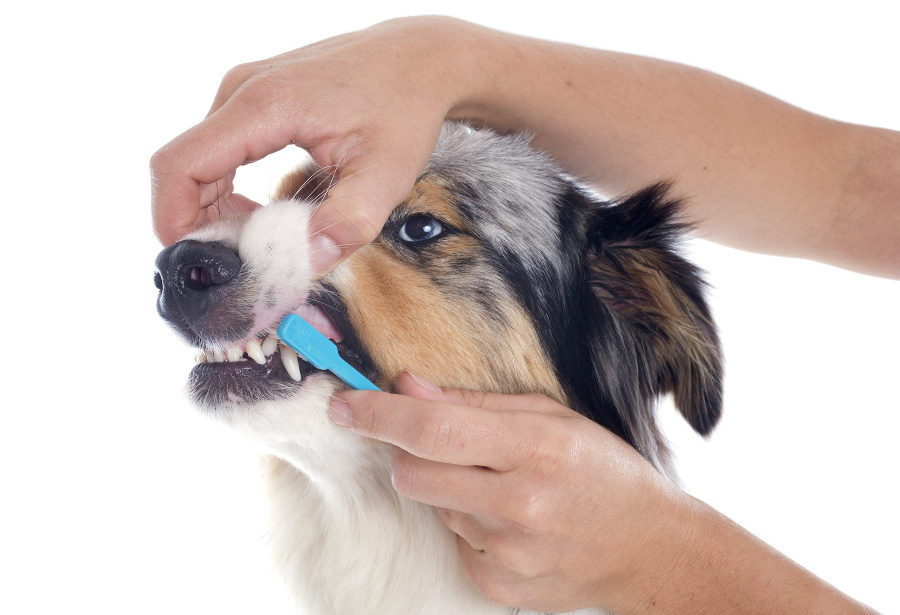
Daily brushing is the most effective way to remove plaque before it turns into tartar.
- Use pet-specific toothpaste (never human toothpaste)
- Start slowly to help your pet adapt
- Focus on outer tooth surfaces where plaque accumulates most
Even brushing a few times a week can significantly reduce risks.
2. Dental Chews and Toys
Chewing naturally helps reduce plaque. However, not all chews are equally effective.
Look for:
- Vet-approved dental chews
- Textured toys designed for oral cleaning
- Safe, digestible materials
Avoid overly hard objects that may damage teeth.
3. Smart Feeding Choices
Diet plays a bigger role than most pet owners realize.
- Dry kibble can help reduce plaque compared to soft food
- Special dental diets are formulated to clean teeth during chewing
- Avoid sugary or sticky treats
A balanced approach supports both oral and overall health.
The Role of Professional Dental Check-Ups
Even with excellent home care, professional dental assessments are essential.
What Happens During a Vet Dental Exam?
Dubai veterinarians typically perform:
- Oral inspection for hidden issues
- Tartar and plaque evaluation
- Gum health assessment
- X-rays if necessary
In some cases, professional cleaning under anesthesia may be recommended to remove deep tartar safely.
Midway Reminder: Consistency Over Perfection
Many pet owners feel overwhelmed trying to maintain perfect dental routines. The reality is, consistency matters more than perfection.
Incorporating small habits, like occasional brushing, offering dental chews, and scheduling check-ups, can collectively protect your pet’s oral dental health effectively over time.
Natural Preventive Approaches
Dubai vets are increasingly seeing pet owners explore natural ways to support oral hygiene. While these should complement, not replace, professional care, they can still be helpful.
Common Natural Additions
- Coconut oil (in small amounts) for mild antibacterial effects
- Water additives designed for dental health
- Herbal dental sprays
Always consult a vet before introducing new products to ensure safety and suitability.
How Climate and Lifestyle in Dubai Affect Pet Dental Health
Dubai’s environment can indirectly influence oral health.
1. Hydration Matters
Warm climates can lead to dehydration, which reduces saliva production. Saliva plays a key role in naturally cleaning teeth.
2. Indoor Living Patterns
Many pets spend more time indoors, often with limited chewing activity. Reduced chewing means less natural plaque removal.
3. Diet Trends
Urban pet lifestyles sometimes include frequent treats or soft diets, increasing the risk of dental buildup.
Being mindful of these factors helps tailor better preventive routines.
Building a Dental Care Routine Your Pet Accepts
One of the biggest hurdles is resistance from pets. The solution lies in gradual adaptation.
Step-by-Step Approach
- Let your pet get comfortable with mouth handling
- Introduce toothpaste flavors they enjoy
- Start with short brushing sessions
- Reward positive behavior
Over time, what starts as resistance can become a normal part of their routine.
When to Seek Immediate Veterinary Attention
Certain signs should never be delayed.
Urgent Red Flags
- Bleeding gums
- Loose or missing teeth
- Swelling around the mouth
- Refusal to eat
- Visible pain or aggression when touched
These may indicate advanced gum disease or infection requiring immediate care.
Long-Term Benefits of Preventive Dental Care
Investing time in dental care offers lasting advantages:
- Better quality of life for your pet
- Reduced veterinary costs in the long run
- Prevention of serious health complications
- Improved appetite and digestion
Dubai vets consistently highlight that preventive care is far more effective and less stressful than treating advanced disease.
Conclusion
Preventing gum disease in pets is not about complex routines but about informed, consistent care. From daily brushing to mindful diet choices and regular vet visits, every small effort contributes to your pet’s well-being.
For those seeking structured and reliable pets’ dental care in Dubai, Pet Point Veterinary Clinic offers a platform designed to support pet owners with accessible, well-organized solutions focused on maintaining healthy routines for pets in modern environments. Pet Point Veterinary Clinic is known for its comprehensive pet care approach, combining advanced veterinary practices with a strong focus on preventive health. Their team emphasizes early diagnosis, personalized care plans, and client education, helping pet owners make informed decisions to support long-term wellness and better quality of life for pets.
