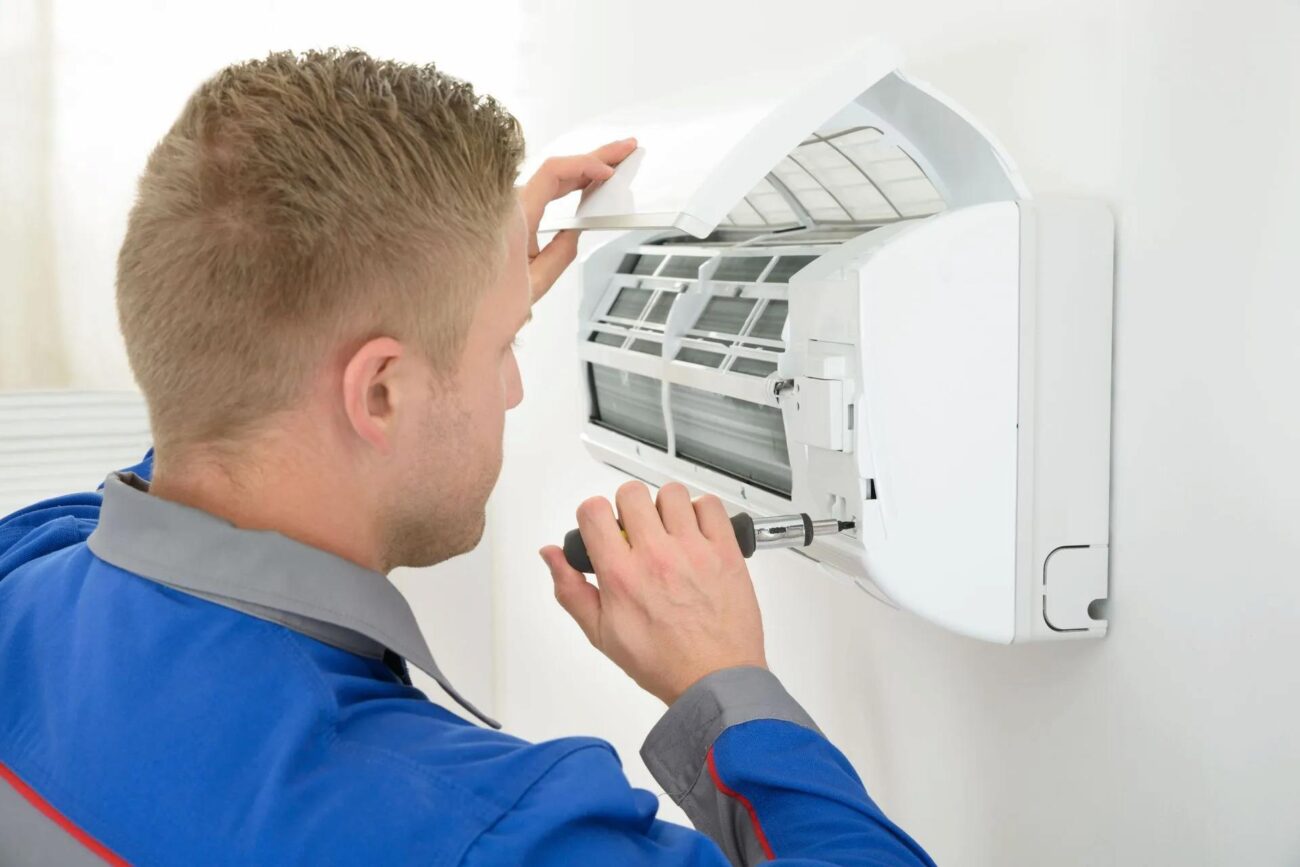
Most homeowners don’t think about their air conditioner until something goes wrong. That’s understandable — when it’s working, it fades into the background. But that hands-off approach is exactly what leads to expensive repair bills down the road. The truth is, most major AC failures don’t happen without warning. They develop slowly, driven by small maintenance oversights that compound over time. Knowing what those mistakes look like — and why they matter — can save you a significant amount of money before summer hits its peak.
Skipping Annual Professional Tune-Ups
This is the single most common mistake homeowners make, and it sets the stage for nearly everything else on this list. An annual tune-up isn’t just about cleaning coils or topping off refrigerant — it’s a full system evaluation. During a professional visit, a technician will typically:
- Inspect and clean evaporator and condenser coils
- Check refrigerant levels and look for signs of leaks
- Test electrical connections and capacitors for wear
- Measure airflow and static pressure across the system
- Lubricate moving parts and check the blower motor
- Verify thermostat calibration and cycling behavior
Many homeowners skip this step because the system seems to be running fine. But an AC that’s running doesn’t mean it’s running efficiently or safely. In humid climates like the Southeast, systems work harder and accumulate wear faster than in drier regions. That’s why scheduling professional maintenance once a year — ideally in early spring before the heaviest cooling demand — is one of the most cost-effective habits a homeowner can develop. If you’re already overdue and noticing performance issues, looking into AC repair in Charleston, SC sooner rather than later can prevent a manageable problem from becoming a full system replacement.
Neglecting Air Filter Changes
Dirty air filters are responsible for more AC problems than most people realize. When a filter gets clogged, airflow through the system drops significantly, which triggers a chain of problems:
- The evaporator coil can’t absorb heat properly and may freeze over
- The system runs longer cycles trying to reach your set temperature
- Energy consumption rises without any improvement in comfort
- Dust and debris bypass the filter and settle inside the air handler
Most standard 1-inch filters should be replaced every 30 to 60 days depending on usage, pets, and indoor air quality. Thicker media filters may last longer, but they still need to be checked regularly. The fix here is simple and inexpensive. The consequences of ignoring it are not.
Blocking or Closing Too Many Supply Vents
It seems logical to close vents in unused rooms to redirect airflow. In practice, this creates pressure imbalances that force the air handler to work against greater resistance than it was designed for. Common side effects include:
- Increased strain on the blower motor, shortening its lifespan
- Duct leaks at seams and joints from excess pressure buildup
- Hot and cold spots throughout the home as airflow becomes unbalanced
- Higher utility bills as the system works harder to compensate
A better approach is to leave all supply vents open and use a programmable or smart thermostat to manage temperature by schedule. It’s a more efficient strategy that protects your equipment from unnecessary wear.
Ignoring the Outdoor Condenser Unit
The outdoor unit is where heat extracted from inside your home gets released to the outside air. For that process to work efficiently, the condenser needs regular attention. Here’s what tends to go wrong when it doesn’t get it:
- Grass clippings, leaves, and cottonwood seeds clog the condenser coils
- Dirt buildup acts as insulation, reducing heat transfer efficiency
- Overgrown shrubs restrict airflow around the unit
- The compressor overworks to compensate, leading to premature failure
Gently rinsing the coils with a garden hose once or twice per season and keeping vegetation trimmed back at least two feet makes a measurable difference in both efficiency and equipment life.
Letting Small Refrigerant Leaks Go Unaddressed
Refrigerant doesn’t get used up in a healthy system — it circulates in a closed loop indefinitely. So if your system is low on refrigerant, there’s a leak somewhere. Warning signs to watch for include:
- Warm or weakly cooled air blowing from supply vents
- Ice forming on the refrigerant lines or indoor coil
- A hissing or bubbling sound near the indoor unit
- Longer-than-usual run times with less effective cooling
Simply topping off refrigerant without fixing the leak is a short-term patch. Low refrigerant puts the evaporator coil under abnormal pressure, which leads to ice formation and eventually compressor damage — one of the most expensive repairs in residential HVAC. Act on these signs early.
Setting the Thermostat Too Low to Cool Faster
An air conditioner cools at a fixed rate regardless of how low you set the thermostat. Dropping it to 65°F when you want to reach 72°F doesn’t speed up the process. What it actually does:
- Forces the system to run in longer, less efficient cycles
- Over-cools the space and can cause condensation on walls and surfaces
- Adds unnecessary wear to the compressor and blower motor
- Drives up energy bills without improving comfort
A programmable thermostat set to a consistent schedule is a far more effective tool. It allows the system to work in steady, efficient cycles rather than extended runs that accelerate component wear.
Waiting Until the System Fails to Call for Help
This is where most of the real money gets spent. Homeowners often tolerate warning signs for weeks or months before making a call. By then, what might have been a minor repair has usually become a major one. Signs you should never ignore include:
- Reduced or uneven airflow from supply vents
- The system short-cycling — turning on and off too frequently
- Unusual sounds like grinding, rattling, or high-pitched squealing
- A sudden spike in your monthly energy bill with no obvious cause
- Humidity levels inside the home that feel higher than usual
- Warm air blowing despite the system running continuously
AC systems give clear signals when something is off. Trusting those signals and acting on them early is almost always cheaper than waiting for a full breakdown. For homeowners in the region, timely AC repair in Charleston, SC is particularly important given the long, demanding cooling season — a system that limps through spring rarely makes it to fall without a serious failure.
The Bottom Line
None of these mistakes are difficult to avoid once you know what to watch for. Change filters on schedule, clear debris from the outdoor unit, keep vents open, and don’t ignore the signs that your system is struggling. Above all, commit to an annual professional inspection. An HVAC technician can catch in thirty minutes what a homeowner might miss for an entire season. That single habit, more than any other, is what keeps repair costs manageable and extends the life of your equipment by years.
